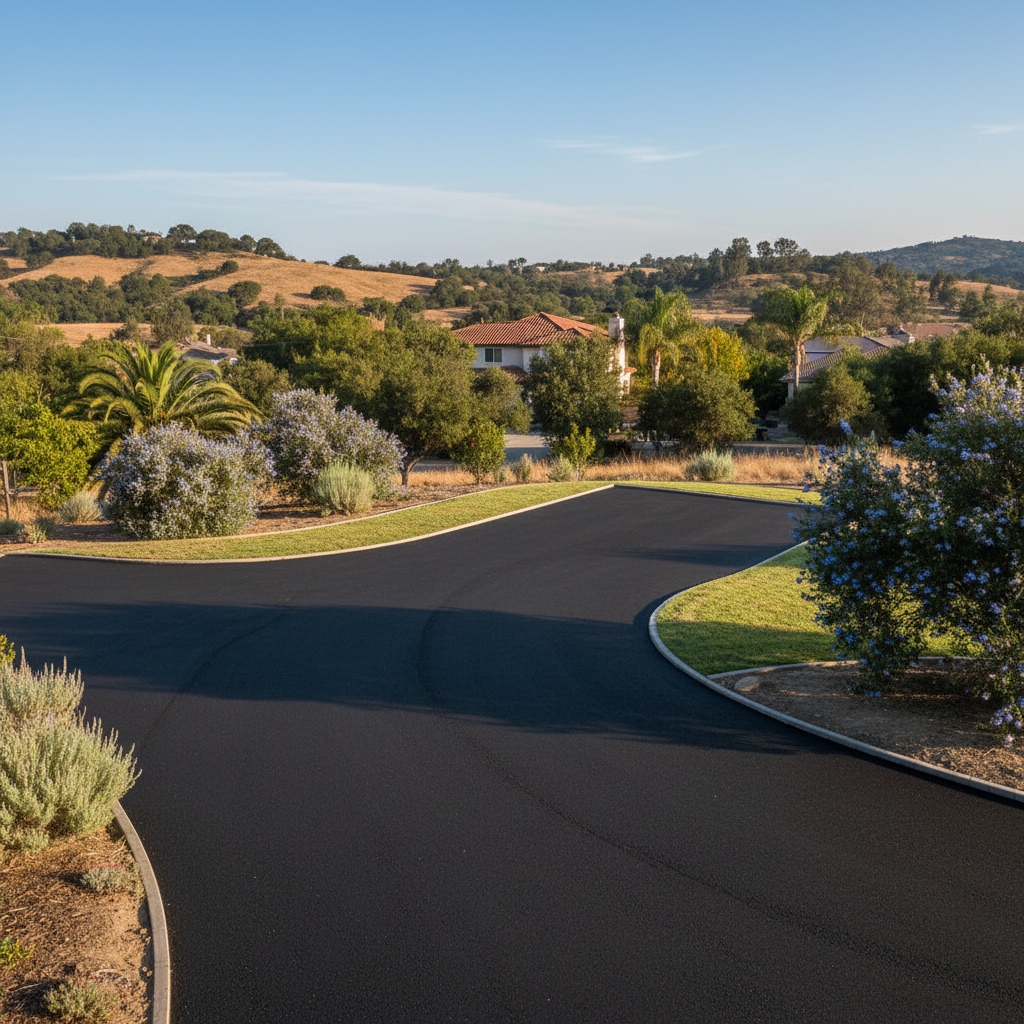
So, you're looking to get that asphalt project done at your place in Garden Grove. Maybe it's a driveway that's seen better days, all cracked up, or perhaps you're finally putting in that RV pad you've always dreamed of. Whatever it is, jumping into a paving project without a plan is a bit like trying to drive down Euclid Street blindfolded, isn't it? You really need to know what's coming, what to do, and what questions to ask. Let's break it down.
Understanding the Project Timeline
How long does this whole thing actually take? That's usually the first thing people ask me. Look, it's not an overnight job, but it won't drag on for months either. From your first call to us to the final sweep, here’s a rough idea of the timeline:
- Initial Chat & Quote (1-2 weeks): This is when we come out to your property, take some measurements, and chat about what you need. We'll go over options, materials, and give you a detailed quote. Good contractors are busy, so just getting on their schedule for this first step can take a few days.
- Contract & Scheduling (1-2 weeks): Once you've picked your contractor (hopefully us here at Quantum Asphalt Solutions!), you'll sign the contract. Then we'll get you on our schedule. This really depends on how busy we are and, frankly, the weather. We can't pour asphalt in the rain, and believe me, we get our share of those surprise winter downpours here in Orange County.
- Permits (Varies, usually 2-6 weeks): For bigger projects, or anything that changes drainage a lot, you might need a city permit. Your contractor should handle this for you, but it definitely adds time. Smaller residential driveways often don't need one, but it's always smart to double-check.
- Construction (1-5 days): This is the actual work. We'll demolish the old asphalt, do the grading, prepare the base, and then finally lay the hot asphalt. The size of your project dictates how long this takes. A small driveway might be a day or two; a larger one with extensive grading could be closer to five.
- Curing Time (24-72 hours for light use, 30 days for full cure): Once the asphalt is down, it needs to cool and harden. You can usually drive on it lightly after 2-3 days, but for heavy vehicles or parking, you'll want to wait a full month for it to fully cure and get really hard.
So, from start to finish, you're generally looking at anywhere from 4 to 10 weeks, depending on permits and scheduling. It's a marathon, not a sprint.
What to Expect During the Process
Alright, the crew's showing up. What's it going to be like?
- Noise and Dust: We're tearing up old stuff and moving dirt. So, yes, there will be noise from heavy equipment and some dust. We do our best to keep it to a minimum, but it's just part of the job.
- Access Restrictions: For a few days, your driveway or the area we're paving will be a construction zone. You won't be able to drive or park on it. Plan for somewhere else to park, maybe with a neighbor or on the street if that's allowed.
- Heavy Equipment: Expect dump trucks, excavators, rollers, and paving machines. These are big, powerful pieces of machinery. We always put safety first, but it's good to be aware.
- Crew Presence: Our team will be on-site, working hard. We're professionals, and we'll keep the area as tidy and organized as we can, but it's still an active construction zone.
- Smell: Hot asphalt has a pretty distinct smell. It goes away quickly once it cools, but you'll definitely notice it while we're paving.
How to Prepare Your Property
You can help make the whole process smoother for everyone:
- Clear the Area: Move cars, trash cans, planters, garden hoses, and anything else that's in or near the work zone. If you have any decorative items or landscaping right up against the paving area, consider moving them temporarily.
- Trim Overhanging Branches: If you've got trees with low-hanging branches over the driveway, trim them back a bit. This gives our equipment room to maneuver and helps prevent damage to your trees or our machines.
- Secure Pets and Children: This is a construction site, after all. Keep pets indoors or securely fenced away from where we're working. The same goes for kids – keep them at a safe distance.
- Inform Neighbors: Giving your neighbors a heads-up about the upcoming noise and temporary access issues goes a long way. Good neighbor relations are super important, especially in tight-knit neighborhoods like those around the Great Wolf Lodge.
- Plan for Utilities: Mark any sprinkler heads, buried dog fences, or other shallow utilities you know about. While we're careful, knowing exactly where things are helps us avoid accidental damage.
Questions to Ask Before Signing That Contract
Don't just sign on the dotted line without asking some key questions. This is your investment, after all, so be thorough.
- What's the exact scope of work? Make sure the contract clearly spells out everything: demolition, grading, base material depth, asphalt thickness, number of layers, and any drainage solutions.
- What kind of base material will you use, and how thick will it be? The base is crucial for how long your asphalt lasts, especially with our clay-heavy soils in some parts of Garden Grove. You want a good, compacted aggregate base.
- What's the asphalt mix design? There are different types of asphalt out there. Ask what they plan to use and why it's right for your project.
- What's your warranty? A reputable contractor will stand behind their work. Understand what's covered and for how long.
- Who handles permits? Confirm if the contractor will pull any necessary permits and if that cost is included.
- What's the payment schedule? A small deposit is common, but be wary of contractors asking for a huge percentage upfront. The final payment should only be due once you're happy with the completed work.
- What's your plan for drainage? Good drainage is absolutely critical to stop water from pooling and causing your asphalt to fail too soon. How will they make sure water flows away from your home and foundation?
- Can I see proof of insurance? This is non-negotiable, truly. They should have liability insurance and workers' compensation. You definitely don't want to be on the hook if someone gets hurt or something goes wrong.
By asking these questions and understanding the process, you'll feel much better prepared for your asphalt paving project. It's a big investment, and doing your homework ensures you get a quality job that lasts for years.