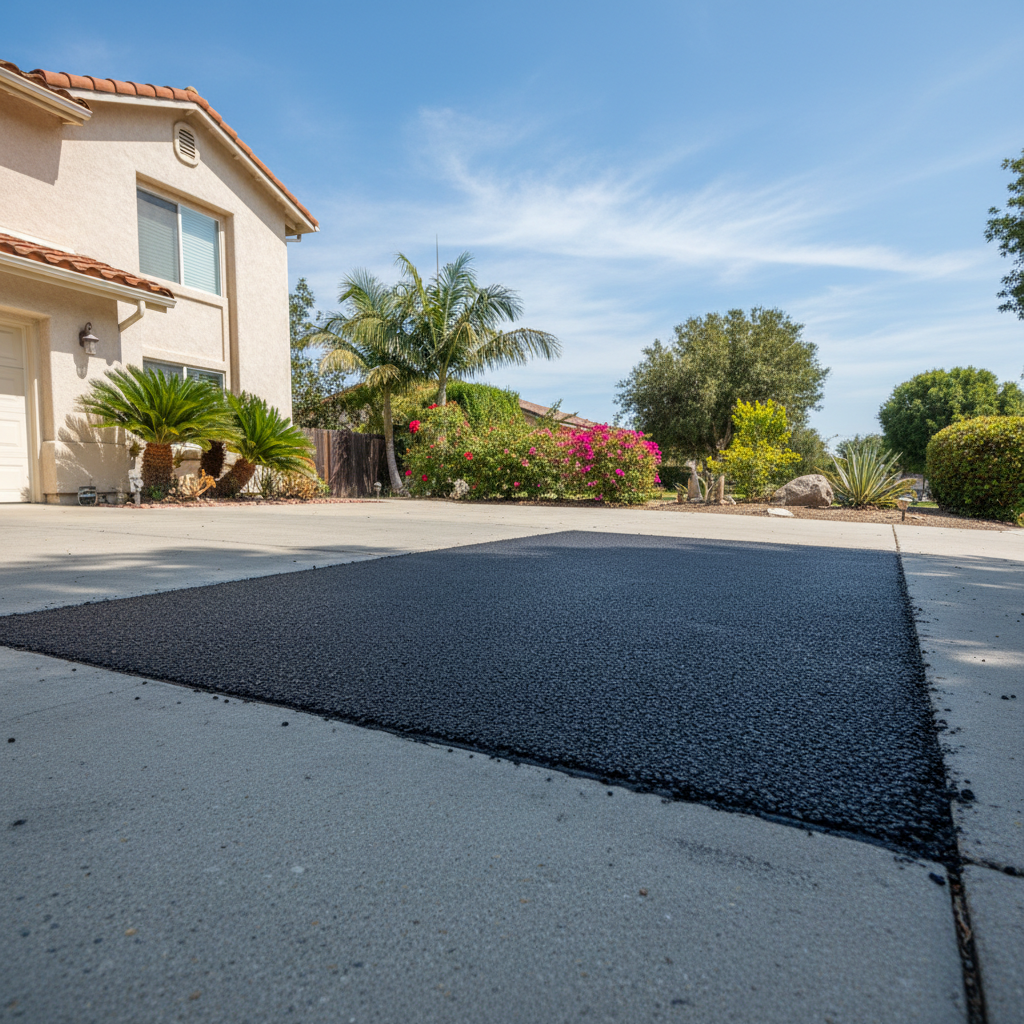
So, you've put money into asphalt patching, maybe to fix a nasty pothole or a cracked section of your driveway. Smart move. That patch isn't just a quick fix, you know; it's really meant to make your pavement last longer. But here's the thing: that patch won't last forever all by itself. You've got to give it a little care, especially with our California sun beating down and those occasional heavy rains we get.
Making Your New Asphalt Patch Last Longer
Once we've put down that fresh asphalt, whether it's a small repair or a bigger section, there's a short period where it's a bit vulnerable. Think of it like a cut that needs to heal. The first 24-48 hours are super important. Try to keep heavy traffic off it if you can. That new asphalt really needs time to cure and compact properly.
After that initial period, the biggest thing you can do to extend its life is just keep it clean. Debris, dirt, even leaves can hold moisture against the asphalt, which is definitely not good. Sweep it regularly. Also, keep an eye out for oil and gas spills. Those petroleum products break down the asphalt binder, turning your nice, solid patch into a crumbly mess. Clean them up immediately with something absorbent, then scrub with a mild detergent and rinse it off.
Sealcoating is another huge one. I really can't say this enough. A good sealcoat every 2-3 years acts like sunscreen and a protective barrier for your asphalt. It shields it from UV rays, stops water from getting in, and even handles those minor oil drips. For properties in areas like the older parts of Garden Grove, where you might have big trees dropping sap or fruit, sealcoating offers an extra layer of protection against those sticky messes too.
Regular Upkeep: What You Should Be Doing
Keeping your asphalt patch in good shape isn't exactly rocket science, but boy, does it make a big difference. Here's what I always tell my clients:
- Keep it Clean: Like I said, sweep away dirt, leaves, and any organic stuff. This stops water from pooling and keeps the surface clear.
- Deal with Spills Right Away: Don't let oil, gas, or other chemicals just sit on the asphalt. They'll eat right through it, trust me.
- Watch for Weeds: Weeds and grass can grow through tiny cracks, and as their roots spread, they'll widen those cracks. Pull them out or use a weed killer. If you ignore them, a small problem turns into a huge headache.
- Check Drainage: Make sure water isn't collecting on or around your patched areas. Good drainage is crucial for stopping water from seeping underneath and messing up the asphalt's base. If you keep seeing puddles, that's a red flag.
- Sealcoat Regularly: Every couple of years, give your whole asphalt surface, including the patches, a fresh sealcoat. It's truly the best defense against the elements.
Warning Signs of Trouble: Don't Just Ignore These
Your asphalt will tell you if it's having problems. You just need to know what to look for. Catching these issues early saves you money down the line, doesn't it?
- New Cracks: Even a small hairline crack can let water in. Once water gets under the asphalt, especially with our occasional heavy winter rains, it can freeze (rare in Garden Grove, but not impossible during colder snaps) or simply erode the base, leading to bigger problems.
- Potholes Starting: If you notice small dips or the beginning of a pothole near a patched area, that means the sub-base might be failing or water is getting in.
- Fading or Discoloration: If your asphalt patch looks noticeably lighter or gray, it means the binder is oxidizing from sun exposure. This makes it brittle and more likely to crack. This is a big sign you need sealcoating.
- Loose Aggregate: If you see small stones coming loose from the surface, the asphalt binder is weakening. This can happen from regular wear and tear or chemical exposure.
- Water Pooling: As mentioned, standing water is a major enemy of asphalt. If you see it consistently after rain, your drainage is off or the surface has settled unevenly.
When to Call a Professional (Like Us at Quantum Asphalt Solutions)
Look, some things you can handle yourself, but there are times when you really need to bring in the pros. Please, don't wait until a small crack turns into a crater.
- Extensive Cracking: If you're seeing a spiderweb of cracks (what we call alligator cracking) or cracks that are wider than a quarter-inch, that's beyond a simple DIY fix. It points to a deeper structural issue.
- Large Potholes: While you can temporarily fill small potholes, a large, deep pothole definitely needs professional attention. We'll check the base and make sure it's a lasting repair.
- Drainage Issues: If water is consistently pooling and not draining properly, it's a sign of sub-base problems or improper grading. This requires specialized equipment and expertise to fix correctly.
- Repeated Patch Failure: If you've had a patch done, and it's failing again quickly, there's an underlying issue that wasn't addressed. We can figure out why it's not holding up.
- When You Don't Have the Time or Tools: Let's be real, you've got better things to do. If you're not comfortable with the work or don't have the right equipment, it's always better to call someone who does.
Keeping your asphalt patches in good shape isn't just about how they look; it's about safety and protecting your investment. A little proactive maintenance goes a long way. If you're seeing any of those warning signs, or just want to get your asphalt sealcoated, give Quantum Asphalt Solutions a call. We're right here in Garden Grove and happy to help you keep your pavement looking good and lasting long.